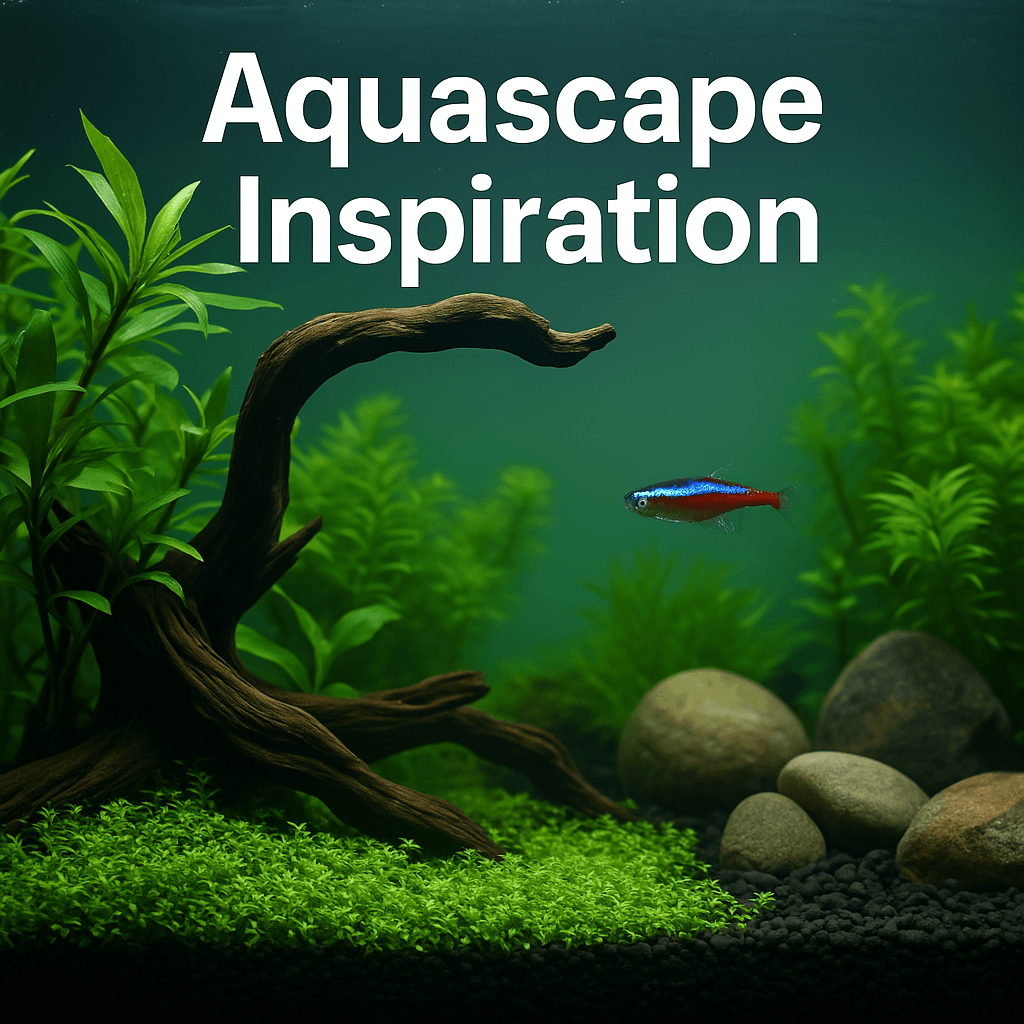
Quick answer: Find aquascape ideas in the main layout styles: nature aquarium, Iwagumi, jungle, and Dutch. Pick one that fits your tank size and skill level, then adapt it instead of inventing from scratch. The fastest way to start is copying a layout you like, learning why it works, and changing it later once you understand the rules.
Aquascape Inspiration: Layout Ideas and Themes for Every Tank Size
Building a beautiful aquascape starts with one thing: inspiration. Whether you’re designing a peaceful nano tank, a lush jungle aquascape, or a bold hardscape-dominant setup, the right layout idea can transform your vision into a living, breathing aquatic world. This guide is packed with over 2,000 words of original aquascape inspiration — organized by style, size, and setup goals. No copying, no stock concepts — just human-written ideas to spark your next great tank layout.
Nature Aquarium Style: Iwagumi, Jungle, and Riverbank Themes
The Nature Aquarium style, made popular by Takashi Amano, focuses on recreating natural scenery inside the tank using minimal equipment and artistic balance. These layouts rely heavily on stone or wood as focal points and aim to reflect real-world environments. Below are a few spin-offs and custom takes you can try:
- Iwagumi Layout: Uses odd-numbered stones (typically 3 or 5) placed asymmetrically. Great for minimalism and showcasing carpeting plants like Eleocharis or Monte Carlo.
- Jungle Style: Unstructured, layered plant growth with ferns, moss, and crypts. Excellent for shrimp tanks or peaceful communities.
- Riverbank Aquascape: Mimics a shoreline — use gravel sloping into sand with driftwood and narrow-leaf plants to represent vegetation creeping toward the waterline.
Layout Inspiration by Tank Size
5–10 Gallons (Nano Tanks)
- Moss Mountain: Central lava rock with Java moss or Christmas moss layered upward, surrounded by Anubias nana petite
- Floating Garden: Use Red Root Floaters or Water Lettuce and low-light rooted plants like Crypt parva and Bucephalandra
- Driftwood Arch: Two small spiderwood branches bent together with epiphytes attached — ideal for a solo betta tank
15–29 Gallons (Small Community Tanks)
- Island Composition: Build a single stone pile or driftwood mount in the center with open sand around it and tall plants in the background
- V-Scape: Twin slopes slanting inward toward the center with pathway illusion — use rocks or wood to guide flow
- Sunken Forest: Tall rooted plants like Vallisneria in the background, with twisted wood and midground crypts creating a hidden canopy effect
40–75 Gallons (Mid-Sized Showcase Tanks)
- Triangular Slope: Start high in one corner and descend across the tank, building contrast with layered textures
- Staggered Islands: Multiple small clusters of rock or wood that repeat rhythmically across the tank, creating controlled chaos
- Jungle Corridor: Clear central swim path flanked by dense growth on both sides, with varied leaf shapes and heights
90+ Gallons (Large Format and Advanced Builds)
- River Biotope: Natural gravel, branchy wood, and rounded river stones. Stock with loaches, danios, or South American tetras.
- Hillscape: Use sloped substrate, tall back walls of stone, and dense carpeting plants to simulate elevation
- Submerged Roots: Build a tree root system using driftwood and vines, surrounded by ferns, moss, and slow-growing crypts
Tips for Planning an Original Aquascape
- Sketch first — even a rough layout helps visualize flow and proportions
- Use the Golden Ratio (1.618) or Rule of Thirds to anchor hardscape
- Build your hardscape first, then plant around it
- Consider color contrast: Red stems, green leaves, dark driftwood, white sand
- Use layering: Foreground, midground, and background plant zones
Original Aquascape Concepts (Unique Themes to Try)
- Blackwater Cliff: Dark substrate and driftwood leaning against one tank wall with floating Indian almond leaves and tannin-rich water
- Ruins and Roots: Use aged driftwood, root-like branches, and broken ceramic décor to simulate a submerged ruin overtaken by nature
- Mist Valley: Carpet foreground with dwarf hairgrass and use misting bar or air curtain to create fog effect under lights
- Split Biotope: Divide tank in two styles — one half jungle, one half riverbank — with a visual transition using scattered stones and crypts
- Fallen Log Creek: Central horizontal driftwood log with mosses, tall background plants behind, and open gravel path beneath
Common Aquascaping Goals and Matching Layouts
| Goal | Best Style | Notes |
|---|---|---|
| Low Maintenance | Island or Jungle | Use slow-growers and minimal trimming |
| Beginner-Friendly | Mossy Driftwood or Triangle Slope | Focus on easy plants and natural flow |
| Showcase Visual Drama | Iwagumi or Split Biotope | Use focal points and lighting contrast |
| Shrimp Breeding | Jungle or Root Overhang | Provide dense foliage and leaf litter |
Best Plant Combinations by Theme
- Riverbank: Crypt wendtii, Vallisneria, dwarf sag, dragon stone
- Iwagumi: Monte Carlo, Eleocharis, Seiryu stone
- Jungle: Java fern, Anubias, Bolbitis, moss, driftwood
- Mountain Scape: Bucephalandra, Hygrophila pinnatifida, lava rock
- Blackwater: Floating frogbit, narrow-leaf crypts, driftwood, Indian almond leaves
What to Read Next
🎥 Subscribe to DBC Aquatics on YouTube for weekly tank builds, aquascaping ideas, and layout tutorials filmed start to finish.
Frequently asked questions
Where do I find aquascape inspiration and ideas?
Start with the established styles, nature aquarium, Iwagumi, jungle, riverbank, and biotope tanks, since each gives you a tested template instead of a blank slate. Browse layouts sorted by tank size so you only look at builds that actually fit your gallons, like nano moss mountains for a 5 to 10 gallon or island compositions for a 15 to 29 gallon. Save three or four photos you keep coming back to and note what they share, usually a clear focal point and a sense of depth.
What are the most popular aquascape layout styles?
The nature aquarium style, popularized by Takashi Amano, uses stone or wood as focal points and minimal equipment to recreate real scenery. Iwagumi is the stone-only branch of that, with odd-numbered rocks (usually 3 or 5) placed asymmetrically over a carpet of plants like Monte Carlo or Eleocharis. Jungle style is the opposite, dense and unstructured with ferns, moss, and crypts, which makes it forgiving and good for shrimp or peaceful communities. Riverbank and biotope layouts copy a specific real-world habitat, sloping gravel into sand with driftwood and narrow-leaf plants.
How do I recreate a layout I like?
Break the photo down into its hardscape skeleton first: count the stones or wood pieces, note where the main focal point sits, and how the substrate slopes. Match the scale to your tank, a 90 gallon river biotope does not shrink cleanly into a 10 gallon, so pick a reference build close to your size. Set the hardscape before adding any plants, then fill in foreground, midground, and background zones to match the layering in your reference. Expect to rebuild the hardscape two or three times before it looks right; that is normal.
What makes an aquascape look good?
A clear focal point and a sense of depth do most of the work. Anchor your main rock or wood off-center using the rule of thirds or the golden ratio (1.618) rather than dead center, which reads flat. Build depth with layering, short plants in front, taller in back, and use color contrast like red stems against green leaves, dark driftwood, and white sand. Leave open space, usually sand or a swim path, so the eye has somewhere to rest instead of a wall of plants.
What are beginner-friendly layout ideas?
Jungle style is the most forgiving because uneven, dense growth hides mistakes and the plants (ferns, moss, crypts) are low-light and hard to kill. For a nano tank, a moss mountain (a central lava rock with Java or Christmas moss growing upward, ringed by Anubias nana petite) is simple and low-maintenance. A driftwood arch with epiphytes tied on works well in a betta tank and needs no carpet. Avoid Iwagumi as a first build, the empty space and clean carpet leave nowhere to hide algae or spacing errors.
How do I plan a layout before I start?
Sketch the layout first, even a rough drawing helps you see flow and proportions before you commit substrate. Decide your focal point and place it on a third or at the golden ratio point, then plan the substrate slope, higher in back or in one corner for depth. Map your three plant zones, foreground, midground, background, so you buy the right species for each spot. Build and tweak the hardscape dry or with minimal water first, since moving rock and wood is much easier before the tank is planted and filled.
Author and editorial note
Written and maintained by Benjamin Thoden, founder of DBC Aquatics. This shrimp guide is reviewed through DBC Aquatics’ stability-first lens: cycle maturity, mineral consistency, molt safety, copper risk, grazing surfaces, and slow acclimation matter more than quick fixes. See our editorial standards for how guides are created, reviewed, and updated.
Leave a Reply