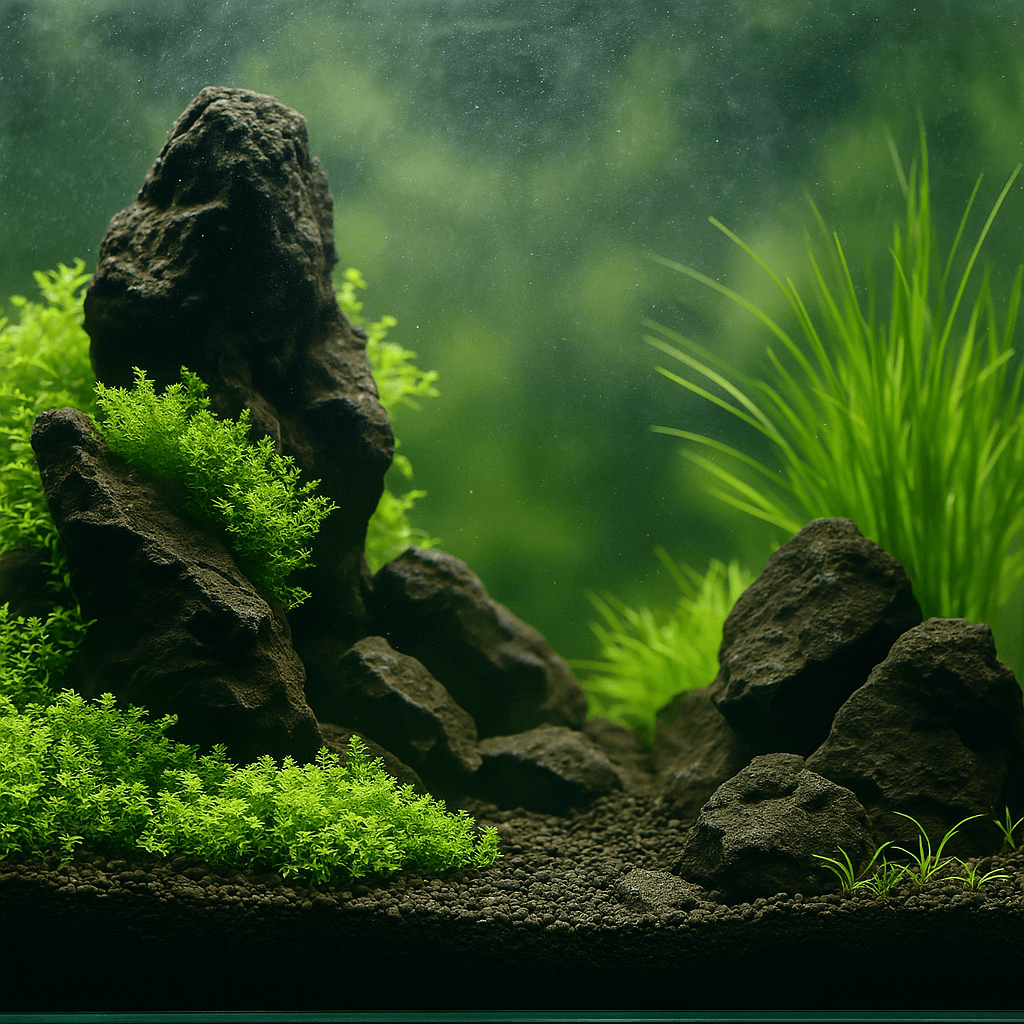
Quick answer: You can aquascape beautifully on a budget by being smart about where your money goes. Collect safe local stone and wood, buy fast-growing plants and trimmings from other hobbyists, and skip CO2 since hardy plants like Anubias and Java Fern do not need it. Spend your cash on a decent 6500K light and a good substrate, where it actually changes results.
Budget Aquascaping: Build a Stunning Aquascape Without Breaking the Bank
Think aquascaping has to be expensive? Think again. While high-end tanks and premium gear dominate Instagram and YouTube, you don’t need to spend a fortune to create a beautiful, thriving aquascape. With smart choices and a bit of creativity, anyone can design an impressive planted tank on a tight budget.
Watch: Budget Aquariums Look Better Than Expensive Ones
This guide will walk you through everything you need to know to build a budget aquascape that looks amazing — including tank selection, substrate hacks, affordable lighting, DIY hardscape tricks, and low-maintenance plants. Whether you’re working with $50 or $200, you’ll find strategies here to stretch every dollar.
Budget Aquascaping Mindset: Form, Function, and Frugality
Great aquascaping isn’t about how much you spend — it’s about how you arrange your materials, choose compatible plants, and support a healthy environment. With careful planning and selective purchases, budget aquascapes can easily rival premium ones in aesthetics and stability.
- Plan first, shop second: Sketch out your layout and goals before buying anything.
- Prioritize essentials: Focus spending on lighting, filtration, and live plants — your hardscape can be DIY.
- Use natural inspiration: Real-world streambeds, riverbanks, and forest floors offer endless ideas for layout and material choices.
Choosing the Right Tank on a Budget
- Used tanks: Look on Facebook Marketplace, Craigslist, or local aquarium groups for second-hand tanks. Many are in great shape and deeply discounted.
- Standard sizes: Tanks like 10, 20 long, and 29 gallons are mass-produced and cheaper than all-in-one nano kits.
- Petco dollar-per-gallon sales: A great way to snag tanks for $1/gal — often runs in Jan, July, and Oct.
Pro Tip: Avoid scratched acrylic unless it’s free. Glass is more durable and easier to clean for display tanks.
Substrate Hacks That Save Big
- Pool filter sand: Inert, clean, and $15–20 for 50 pounds. Excellent for corydoras and shrimp.
- Black blasting sand: Bold, dark appearance — just rinse well before use.
- Organic potting soil (mineralized): Can be used as a base layer capped with sand or gravel. Rich in nutrients for rooted plants.
- Eco-Complete or Fluval Stratum: If budget allows, these are ready-to-use planted substrates with nutrients built-in.
Avoid: Colored gravel, especially neon — it’s unnatural and usually lacks surface area for bacteria.
Free and Low-Cost Hardscape Ideas
- Collect your own: Rocks and wood from nature are free — just boil or bake to sterilize.
- Local landscaping suppliers: Dragon stone, lava rock, and slate are often sold cheaply by weight.
- Manzanita branches: Order untreated wood online or from reptile stores. One-time purchase that lasts for years.
Be safe: Avoid painted, coated, or metal-rich rocks (test with vinegar — fizzing = calcium). Do not use pine or resinous woods.
Best Budget Aquarium Plants (No CO2 Needed)
- Anubias: Hardy, low light, and attaches to wood or rock
- Java Fern: Another attachable plant with little demand
- Hornwort: Fast-growing floater or midground stem
- Amazon Sword: Large background plant that grows tall
- Dwarf Sagittaria: Affordable carpeting plant under moderate light
- Water Sprite: Grows rooted or floating
Shop smart: Look for bundles or clippings from local hobbyists. One plant can multiply with time and proper care.
Budget Lighting That Grows Plants
- LED shop lights: A $15–$25 fixture with a 6500K bulb can grow most low-light plants over shallow tanks (under 12” deep).
- NICREW ClassicLED Plus: Great entry-level plant light for small to mid-sized tanks
- Used aquarium LEDs: Often found for cheap online. Make sure they’re plant-capable (full spectrum, 6000–7000K).
Pro Tip: Use a plug-in timer for consistent 8–10 hour photoperiods. Inconsistent lighting causes algae.
Fertilizers on a Budget
- DIY dry dosing: Buy dry fertilizers in bulk (KNO3, KH2PO4, CSM+B) and mix your own for pennies per dose.
- All-in-ones: Thrive or Easy Green are more expensive upfront but easy for beginners and last months.
- Root tabs: DIY with Osmocote+ in gel caps or buy pre-made for root feeders
Budget-Friendly Livestock That Compliments Your Scape
- Neon Tetras
- Guppies
- Zebra Danios
- Cherry Shrimp
- Otocinclus
- Snails (Nerite, Mystery, Bladder)
Livestock doesn’t need to be exotic to be beautiful. In fact, a simple school of tetras or a few shrimp can highlight your aquascape without stealing the show.
DIY Tools & Accessories to Save Even More
- Tweezers and scissors: Inexpensive kits from Amazon or eBay
- Mesh bags for filter media: Use clean hosiery or laundry bags
- Plant weights: Use fishing weights or stainless wire
- Background: Paint or tape black construction paper to the rear glass
Maintenance Tips to Keep It Looking Great
- Weekly 25–30% water changes
- Trim plants every 1–2 weeks
- Wipe glass with sponge or magnetic cleaner
- Rinse filter media monthly in tank water
Budget tanks thrive on routine. Maintenance doesn’t cost anything but time — and it saves you money long-term.
What to Read Next
🎥 Subscribe to DBC Aquatics on YouTube for weekly tank builds, aquascaping tips, and DIY hacks that make your aquarium hobby affordable and fun.
Frequently asked questions
How do I aquascape on a budget?
Plan the layout before you buy anything so you only purchase what you need. Spend money on lighting, substrate, and live plants, and DIY your hardscape with collected or cheap landscaping rock and wood. Standard tank sizes like a 10, 20 long, or 29 gallon are far cheaper than nano kits, and used gear from Facebook Marketplace stretches your dollar further.
Where can I get cheap hardscape rocks and wood?
Collect rocks and wood from nature for free, then boil or bake them to sterilize. Local landscaping suppliers sell dragon stone, lava rock, and slate cheaply by weight, and untreated manzanita branches from reptile stores last for years. Avoid painted, coated, or metal-rich rocks, test stone with vinegar since fizzing means calcium, and never use pine or resinous woods.
How do I get aquarium plants cheaply?
Buy from local hobbyists who sell bundles and clippings for a fraction of store prices. Pick fast growers and plants that multiply, like Hornwort, Water Sprite, and Dwarf Sagittaria, so one purchase fills the tank over time. Anubias and Java Fern attach to wood or rock and split easily, so a single plant becomes several.
What should I spend money on and where can I save?
Spend on lighting, filtration, and live plants, since those drive whether your plants live and your tank stays stable. Save on hardscape by collecting your own rock and wood, and use cheap inert substrate like pool filter sand at $15 to $20 for 50 pounds. A mineralized organic potting soil base capped with sand gives rooted plants nutrients without buying premium aquasoil.
Can a budget aquascape still look good?
Yes. A good scape comes from how you arrange materials, pick compatible plants, and keep the tank healthy, not from how much you spent. Use natural references like streambeds and riverbanks for your layout, skip unnatural colored or neon gravel, and a careful budget tank will rival premium ones in looks and stability.
Do I need CO2 to make a nice scape?
No. Plenty of attractive plants grow well without injected CO2, including Anubias, Java Fern, Hornwort, Amazon Sword, Dwarf Sagittaria, and Water Sprite. Pair them with a 6500K light over a shallow tank and a plug-in timer set to an 8 to 10 hour photoperiod. Skipping CO2 cuts a major cost and a lot of maintenance while still giving you a full planted tank.
Author and editorial note
Written and maintained by Benjamin Thoden, founder of DBC Aquatics. This shrimp guide is reviewed through DBC Aquatics’ stability-first lens: cycle maturity, mineral consistency, molt safety, copper risk, grazing surfaces, and slow acclimation matter more than quick fixes. See our editorial standards for how guides are created, reviewed, and updated.
Leave a Reply