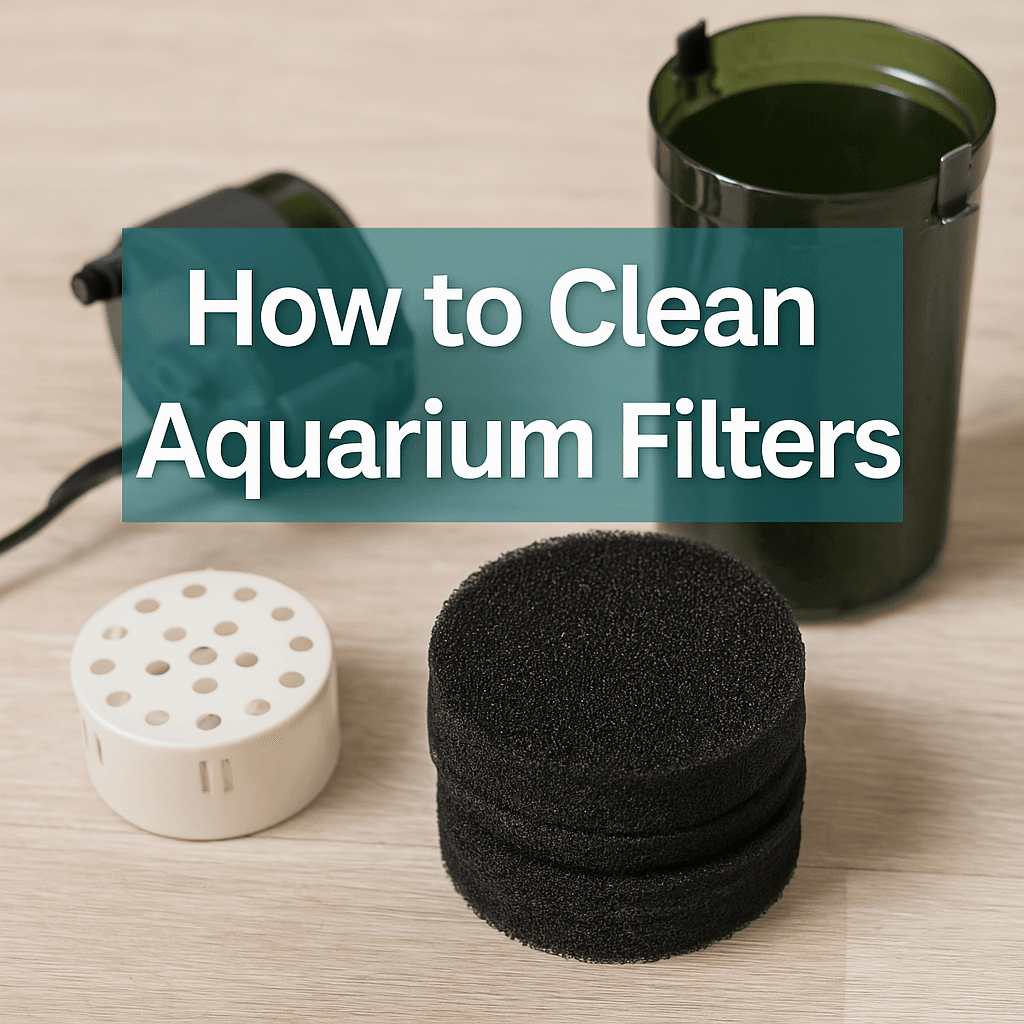
Quick answer: Clean only what needs cleaning. Rinse reusable filter media gently in removed aquarium water when appropriate, never under untreated tap water, and do not replace all established biological media at once. Keep biological media wet, avoid deep-cleaning the tank and filter at the same time, restart the filter promptly, restore flow and surface movement, and test ammonia and nitrite if fish look worse after cleaning.
If fish are gasping, do this before cleaning the filter
If fish are gasping at the surface, add oxygen and check the water before you deep-clean the filter. A clogged filter can reduce flow, but scrubbing media under tap water or replacing too much at once can damage beneficial bacteria and make ammonia or nitrite problems worse.
Deep filter cleaning can damage beneficial bacteria, and beneficial bacteria help protect fish from ammonia and nitrite spikes. DBC Aquatics uses filter cleaning as part of a rescue order: oxygen first, water tests next, then gentle filter maintenance only if flow is actually restricted.
- If fish are gasping at the top, start with the fish gasping rescue guide.
- If ammonia or nitrite is above zero, use the ammonia spike emergency guide.
- If several symptoms are happening at once, go to the Aquarium Rescue Hub before changing multiple things.
If Fish Get Worse After Filter Cleaning
If fish look worse after filter cleaning, do not keep scrubbing the tank. Stop extra cleaning, restore oxygen and filter flow, and test ammonia and nitrite. The issue may be disturbed biological media, reduced biofilter processing capacity, or temporary ammonia/nitrite accumulation.
- If fish are dying or gasping after cleaning, use Fish Dying After Cleaning The Tank Or Filter?
- If you cleaned or replaced too much media, use the Filter Bacteria Crash Rescue Guide.
- If ammonia, nitrite, oxygen, chlorine, or multiple symptoms are involved, start at the Water Quality Rescue Hub.
How to Clean Aquarium Filters: The Complete Guide for Every Filter Type
Filter maintenance is one of the most important — and most misunderstood — parts of aquarium care. Whether you’re using a sponge filter, hang-on-back, canister, or internal filter, proper cleaning keeps your aquarium water clean and your fish healthy. In this guide, we’ll cover how to clean aquarium filters without harming beneficial bacteria, reducing biofilter processing capacity, or adding avoidable fish stress. We’ll also look at how to recognize when cleaning is actually needed and which mistakes to avoid.
Why Cleaning Your Filter the Right Way Matters
Your filter does more than trap debris — it’s home to billions of beneficial bacteria that convert fish waste into less toxic forms through the nitrogen cycle. If you clean it too aggressively or at the wrong time, you can disturb this colony, reduce biofilter processing capacity, and allow temporary ammonia or nitrite accumulation. Done right, filter cleaning keeps water flow strong and your tank stable.
General Filter Cleaning Guidelines
- Use old tank water for established media: Rinse reusable biological/filter media gently in removed aquarium water when appropriate. Do not rinse established biological media under untreated tap water because chlorine/chloramine can harm beneficial bacteria.
- Do it during water changes: Use the same water you just removed for cleaning.
- Clean only what needs cleaning: If you use multiple filters, avoid cleaning every filter and every piece of media at once.
- Do not replace all biological media at once: Stagger worn mechanical pads and keep established biological media wet so the bacteria colony survives.
- Watch your flow rate: Reduced flow is a sign your filter may need maintenance; after cleaning, confirm flow and surface movement are restored.
How to Clean a Sponge Filter
- Unplug air pump and remove the sponge from the tank.
- Fill a small container with old tank water.
- Squeeze and rinse the sponge several times until the water runs mostly clear.
- Reassemble and place the sponge back in the tank.
Frequency: A common starting point is every 2–4 weeks, but clean sooner if flow decreases and wait longer if the sponge is still moving water well.
How to Clean a Hang-On-Back (HOB) Filter
- Unplug and remove the filter from the tank.
- Disassemble the parts: intake tube, impeller, media chamber.
- Rinse the impeller and housing with a soft brush.
- Gently rinse filter pads or sponges in tank water.
- Replace carbon or chemical media monthly (if used).
- Reassemble and restart the filter.
Frequency: A common starting point is every 2–4 weeks. Let flow, debris buildup, stocking, and feeding decide the real timing, and check the impeller monthly for buildup.
How to Clean a Canister Filter
- Turn off and disconnect hoses. Place towels to catch drips.
- Take canister to a sink or cleaning station.
- Disassemble all media trays and rinse gently in tank water.
- Clean impeller and motor head with a soft brush.
- Replace floss or polishing pads if clogged. Do not replace all biological media at once.
- Reassemble, prime if needed, and restart.
Frequency: A common starting point is every 4–6 weeks depending on bioload, but flow and debris buildup matter more than the calendar.
How to Clean Internal Power Filters
- Unplug and remove filter unit from the tank.
- Open media compartment and rinse sponges or cartridges in tank water.
- Clean impeller chamber with a cotton swab or toothbrush.
- Rinse the plastic housing to remove trapped debris.
- Reinsert media, reassemble, and return to tank.
Frequency: A common starting point is every 2–3 weeks, or as needed based on flow and debris buildup.
When to Clean Filter Media (vs Replace)
- Sponges: Reuse for months to years, clean regularly
- Ceramic rings/biomedia: Rinse, never replace all at once
- Floss pads: Replace monthly or when clogged
- Activated carbon: Replace monthly if used (optional in planted tanks)
- Filter cartridges: Only replace when falling apart — reuse if possible
Filter Cleaning Mistakes to Avoid
- Using untreated tap water on established biological media — can harm beneficial bacteria
- Deep-cleaning during an unstable tank period or right after a fish death — can further destabilize ammonia and nitrite
- Forgetting to restart filter — fish can die quickly without circulation
- Neglecting impeller maintenance — leads to reduced flow or burnout
- Replacing all established biological media at once — can reduce biofilter processing capacity
How Often Should You Clean Your Aquarium Filter?
Every tank is different, so treat the calendar as a starting point, not a rigid rule. Clean when flow drops, debris blocks media, or the filter cannot move water properly.
| Filter Type | Starting Point — Adjust To Flow, Stocking, And Feeding |
|---|---|
| Sponge Filter | 2–4 weeks |
| Hang-on-Back | 2–4 weeks |
| Canister | 4–6 weeks |
| Internal Power Filter | 2–3 weeks |
What to Read Next
- Aquarium Filter Cleaning Instructions — deeper step-by-step reference
- Aquarium Maintenance Checklist
- 15 Aquarium Maintenance Mistakes to Avoid
- Beginner Fish Care Guide
🎥 Watch DBC Aquatics on YouTube for filter cleaning walkthroughs, gear reviews, and maintenance tips for every tank type.
Frequently asked questions
How often should I clean my aquarium filter?
It depends on the filter type and how heavily stocked the tank is. Sponge filters and hang-on-back filters need cleaning every 2 to 4 weeks, internal power filters every 2 to 3 weeks, and canisters every 4 to 6 weeks. The real trigger is flow rate, so when output slows down it is time to clean regardless of the calendar.
Can I rinse filter media in tap water?
No. Chlorine and chloramine in untreated tap water can harm the beneficial bacteria living in established media and reduce the filter’s ability to process ammonia and nitrite. Rinse reusable media in a bucket of old tank water you removed during a water change. The water already matches your tank temperature and chemistry, so it protects the bacteria.
Should I replace filter cartridges every month?
Usually not. Disposable cartridges can hold a lot of your bacteria, so tossing them can reduce biofilter processing capacity. Reuse sponges and cartridges by rinsing them in tank water and only replace them once they are physically falling apart. Activated carbon and floss pads are the exceptions; replace those as needed if you use them.
Why did ammonia or nitrite rise after I cleaned the filter?
You may have disturbed biological media, rinsed media under untreated tap water, or replaced too much media at once. Those mistakes can reduce the colony that processes ammonia and nitrite, so levels may temporarily accumulate. Clean gently in old tank water, stagger media replacements, and test your water afterward until it stabilizes.
Should I clean the filter and do a water change on the same day?
Using removed tank water for media rinsing can be helpful, but avoid deep-cleaning the tank and filter at the same time. Clean only what needs cleaning, keep biological media wet, and be extra gentle right after a fish death or while the tank is unstable.
Is cleaning a sponge filter different from a canister or HOB?
The principle is the same for all three, rinse in old tank water and do not strip out the bacteria, but the steps differ. A sponge filter just gets unplugged and squeezed out in a container of tank water. An HOB or canister needs to be disassembled so you can rinse the pads, brush the impeller and housing, and clear debris, and a canister should never have all of its biological media replaced at once.
Author and editorial note
Written and maintained by Benjamin Thoden, founder of DBC Aquatics. This filter-cleaning guide is reviewed for bacteria-preserving maintenance: removed aquarium water for reusable media where appropriate, untreated tap-water risk, keeping biological media wet, avoiding all-media replacement, restoring filter flow, and testing ammonia/nitrite if fish worsen after cleaning. See our editorial standards for how guides are created, reviewed, and updated.
Informative article, totally what I was looking for.