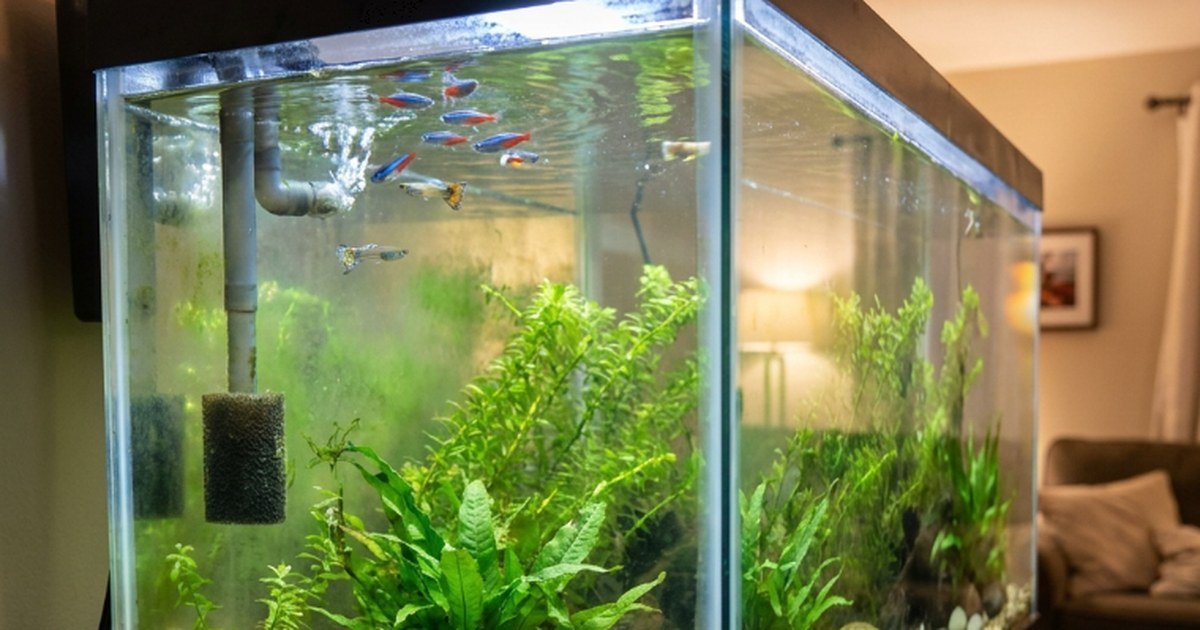
Quick Answer: What To Check First In A Fish Tank Emergency
If your fish are gasping, dying after a water change, acting strange after cleaning, or gathering at the surface, do not start by guessing.
Start with the rescue order:
- Add oxygen and surface movement.
- Stop feeding temporarily.
- Check temperature.
- Test ammonia and nitrite.
- Confirm new water was conditioned.
- Protect the filter bacteria.
- Look at what changed in the last 48 hours.
DBC Aquatics helps fishkeepers work through aquarium emergencies by starting with visible symptoms, water tests, oxygen, temperature, filter bacteria, and recent changes before guessing at disease or medication.
Most aquarium emergencies are not mysterious once you slow down and check the basics. The mistake I see over and over is that people start treating the fish before they stabilize the water.
I get it. When fish are breathing hard, sitting at the top, or dying after you just tried to help the tank, it feels like you need to do everything at once. But five random fixes in one hour usually make the tank harder to read.
Here are the questions fishkeepers keep asking, and how I would work through them.
Fast Emergency Checklist
Use this if you are standing in front of the tank right now.
Work in this order: stabilize the fish first, then check the cause.
Fish gasping at the top
- First move: Add oxygen and surface movement.
- Check next: Ammonia, nitrite, temperature, and conditioner.
Fish dying after cleaning
- First move: Stop cleaning and keep the filter running.
- Check next: Filter media, ammonia, nitrite, and chlorine exposure.
Cloudy water with gasping fish
- First move: Stop feeding and add oxygen.
- Check next: Uneaten food, ammonia, nitrite, and filter flow.
Bad smell and weird behavior
- First move: Remove obvious waste.
- Check next: Dead fish, rotting food, ammonia, and nitrite.
Fish breathing hard after medication
- First move: Add oxygen.
- Check next: Water numbers, dose, recent treatment, and visible disease signs.
Clear new tank with dying fish
- First move: Do not trust looks alone.
- Check next: Ammonia, nitrite, cycle age, and fish load.
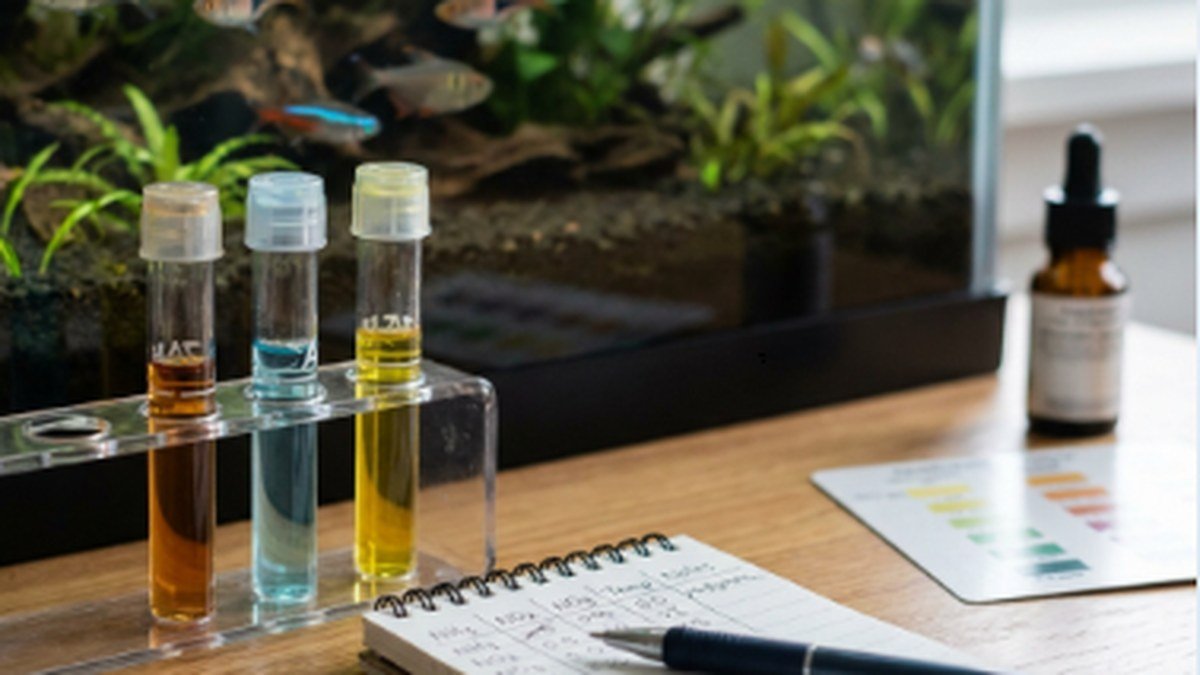
1. Why Are My Fish Gasping After A Water Change?
Fish gasping after a water change usually means the change stressed the gills, reduced oxygen, exposed the fish to chlorine or chloramine, shifted temperature, stirred up waste, or changed water chemistry too fast.
Here is what I would check first:
- Was the new water conditioned?
- Was the temperature close to the tank temperature?
- Did you change a very large amount of water?
- Did you stir the gravel hard?
- Did you clean the filter at the same time?
- Are ammonia and nitrite both 0 ppm?
- Is the surface moving?
The first move is oxygen. Aim the filter output toward the surface or add an air stone. You are not trying to blast the tank. You just want steady surface movement so gas exchange can happen.
Then test ammonia and nitrite. A water change can expose a problem that was already building, especially in a newer tank or a tank where the filter bacteria were weak.
One case I see a lot is the "responsible beginner" water change. The owner does a big clean, rinses the filter, vacuums the gravel hard, and replaces a lot of water. The tank looks cleaner, but the bacteria and fish both get hit at the same time. Then the fish sit at the surface and everyone blames oxygen only.
Oxygen matters, but do not stop there. Gasping after a water change is a clue. It is telling you to check the new water, the bacteria, and the test numbers.
2. Why Are My Fish Dying After Cleaning The Tank?
Fish can die after cleaning when the cleaning removes too much beneficial bacteria, stirs up trapped waste, changes temperature, leaves chlorine in the water, or turns one normal maintenance job into a full tank reset.
The filter is the big one.
Your filter is not just a dirt catcher. It is one of the main places where beneficial bacteria live. Those bacteria help process fish waste into less dangerous forms. If you rinse filter media under tap water, replace all cartridges, scrub everything clean, and do a big water change on the same day, the tank can lose stability fast.
If fish started dying after cleaning, do this:
- Add oxygen.
- Stop feeding for now.
- Test ammonia and nitrite.
- Do a controlled partial water change if either is above 0 ppm.
- Keep the filter running.
- Do not replace more filter media.
- Remove obvious dead fish, rotting food, or waste.
Do not clean the filter again because the fish are dying. That is the move that can make a filter crash worse.
I have seen tanks where the owner thought the filter was "dirty" because the fish were struggling. The real problem was that the dirty-looking sponge was doing its job. Once it got replaced, ammonia or nitrite had room to climb.
Clean enough to restore flow. Do not clean so much that you erase the tank's support system.
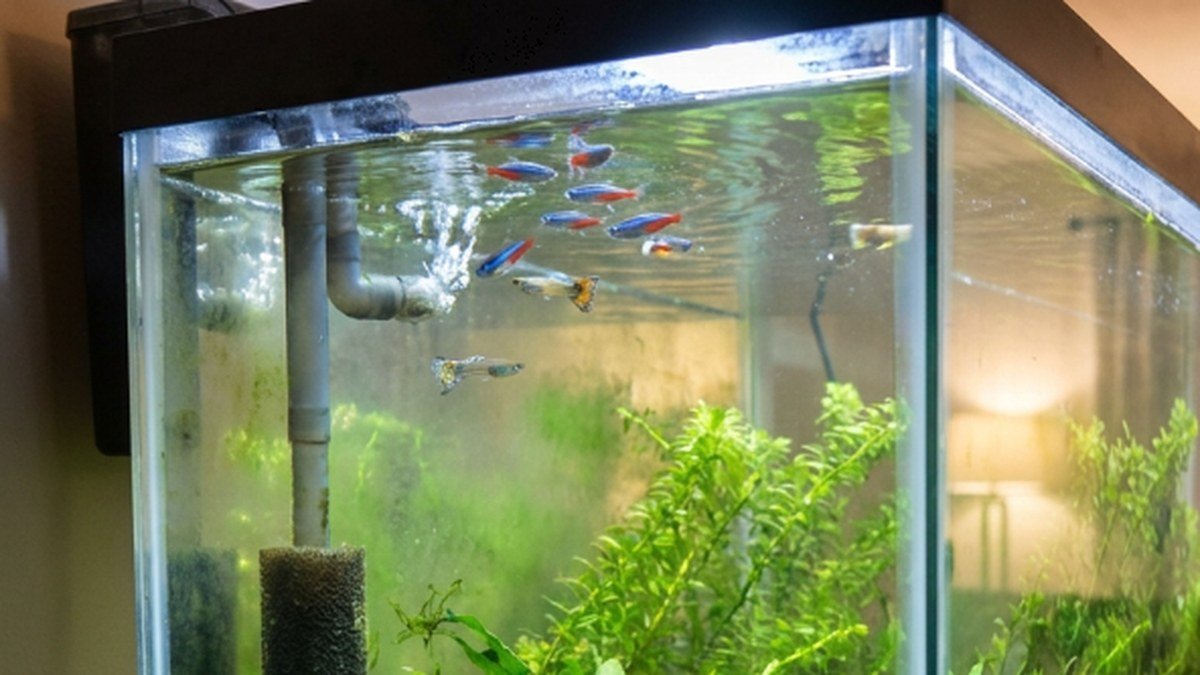
3. Should I Clean My Filter If Fish Are Gasping At The Surface?
Not deeply.
If fish are gasping and the filter flow is weak, you can gently clear the intake and swish mechanical sponge or media in old tank water. But do not rinse biological media under tap water, replace all media, or scrub the filter spotless during the emergency.
The safe filter check looks like this:
- Unplug the filter only long enough to inspect it.
- Clear leaves, food, or debris from the intake.
- Swish sponge or media in a bucket of old tank water.
- Keep media wet.
- Restart the filter and confirm flow.
- Add extra oxygen while you work.
The goal is flow, not perfection.
A gasping fish problem can be low oxygen. It can also be ammonia, nitrite, warm water, chlorine, medication stress, or a cycle problem. If you tear the filter apart before testing, you may remove the exact bacteria the tank needs to recover.
My opinion is simple: in a breathing emergency, protect the fish and protect the bacteria. Those two things go together.
4. Can Overfeeding Make Fish Gasp?
Yes. Overfeeding can absolutely make fish gasp.
Extra food breaks down into waste. Waste can raise ammonia. Bacteria feeding on that extra organic load can also use oxygen. That is why an overfed tank can turn cloudy, smell bad, and have fish sitting near the top.
The common signs are:
- uneaten food on the bottom
- cloudy or milky water
- bad smell
- fish breathing hard
- fish hanging near the filter return
- ammonia or nitrite above 0 ppm
- algae or bacterial bloom after heavy feeding
If you think overfeeding is the cause, stop feeding temporarily. Most fish are safer skipping food for a short stretch than sitting in water that is getting worse.
Then remove uneaten food, increase oxygen, and test ammonia and nitrite. If either is above 0 ppm, do a controlled partial water change with conditioned, temperature-matched water.
This is one of those beginner mistakes that does not feel like a mistake. People feed more because they care. Kids feed more because the fish look excited. Visitors feed more because it is fun. Then the tank pays for it later.
Fish do not need pity food during a water emergency. They need stable water.
5. Why Is My Fish Tank Cloudy And My Fish Are Gasping?
Cloudy water by itself is not always an emergency. Cloudy water with fish gasping is different.
That combination can point to:
- bacterial bloom using oxygen
- overfeeding
- ammonia
- nitrite
- new tank syndrome
- disturbed waste
- filter bacteria damage
- too many fish added too fast
The first question is not "How do I make the water clear?"
The first question is "Can the fish breathe safely while I figure out why the water turned cloudy?"
Do this first:
- Add oxygen.
- Stop feeding.
- Test ammonia and nitrite.
- Check temperature.
- Remove uneaten food or dead plant matter.
- Avoid deep cleaning the filter.
If ammonia or nitrite is present, treat the numbers, not just the cloudiness.
I do not like chasing cloudy water with random bottles while fish are already stressed. Clear water is nice, but safe water is the goal. A tank can look ugly and be safe, or look clear and be dangerous.
6. Why Does My Aquarium Smell Bad And The Fish Are Acting Weird?
A healthy aquarium should not smell rotten.
A bad smell usually means something is decomposing or too much organic waste is building up. That could be a dead fish, uneaten food, rotting plants, clogged filter media, dirty substrate pockets, or overfeeding.
If the fish are acting weird at the same time, treat it as a water-quality warning.
Check:
- Is any fish missing?
- Is food trapped behind decor?
- Are plants rotting?
- Is the filter moving water?
- Is there surface film?
- Are ammonia and nitrite 0 ppm?
- Did someone feed more than usual?
Remove the obvious waste, but do not panic-clean the whole tank. Do a controlled partial water change if test numbers or smell point to waste buildup. Keep oxygen high while you work.
The mistake here is trying to make the smell disappear before checking the fish's breathing and water numbers. If the tank smells bad and fish are breathing hard, oxygen and ammonia/nitrite checks come first.
7. Why Are My Fish Still Gasping Even With An Air Stone?
An air stone helps oxygen exchange, but it does not fix every reason fish gasp.
Fish can still gasp with bubbles in the tank if:
- ammonia is irritating the gills
- nitrite is interfering with oxygen use
- temperature is too high
- chlorine or chloramine got in during a water change
- medication is stressing the fish
- the surface is covered with film
- the tank is overcrowded
- the filter bacteria were damaged
- the fish has gill disease or parasites
This is where a lot of people get stuck. They add an air stone, the fish still gasp, and they think oxygen cannot be the issue.
The better way to think about it is this: breathing problems can come from the water around the fish or the gills on the fish.
If oxygen support does not help, test ammonia and nitrite. Look at temperature. Check the recent changes. If those are safe and only one fish is struggling, then disease, injury, bullying, or gill damage moves higher on the list.
But do not jump to medication until water has been ruled out.
8. My Ammonia Is 0, So Why Are Fish Still At The Top?
Ammonia is only one part of the picture.
If ammonia is 0 but fish are still at the top, check:
- nitrite
- temperature
- surface movement
- chlorine/chloramine exposure
- nitrate if the tank has been neglected
- pH or mineral swings after a large water change
- medication added recently
- CO2 if it is a planted tank with CO2 injection
- surface film blocking gas exchange
- whether the tank is actually cycled
Also look at the exact test result, not just "good."
I cannot tell you how many times a tank problem becomes clearer when someone gives the actual numbers: ammonia 0, nitrite 0.5, nitrate 20, pH 7.8, temperature 82 degrees F. That is a very different story than "my water is fine."
Nitrite matters a lot. Fish can act like they cannot breathe when nitrite is present because nitrite interferes with oxygen use in the body.
If ammonia is 0 but nitrite is not 0, treat the nitrite. Add oxygen, stop feeding, and do controlled partial water changes until the tank is safe.
9. Can A New Tank Have Clear Water And Still Kill Fish?
Yes. Clear water does not prove safe water.
A new aquarium can look perfect and still have ammonia or nitrite building up because the beneficial bacteria colony is not ready yet. This is one of the hardest beginner lessons because the tank looks clean from the outside.
New tank danger is more likely when:
- the tank is less than 6 to 8 weeks old
- fish were added quickly
- no liquid ammonia/nitrite testing is being done
- the filter is new
- the filter media was replaced
- fish are gasping, hiding, clamping fins, or dying
- water looks clear but test numbers are not known
In a new tank, do not assume the problem is disease first. Test ammonia and nitrite first.
If either is above 0 ppm, the tank is not stable enough yet. Add oxygen, stop feeding temporarily, use conditioned water for partial water changes, and keep the filter bacteria protected.
This is why I keep repeating the same boring advice: test the water. Not because test kits are exciting, but because they stop you from guessing while fish are already stressed.
10. Should I Medicate Fish That Are Breathing Hard?
Not first.
Breathing hard can be disease, but it can also be low oxygen, ammonia, nitrite, chlorine exposure, warm water, filter bacteria loss, overfeeding, or water-change shock.
Medication can help when the real problem is parasites, fungus, bacterial infection, fin rot, or another disease issue. But medication does not fix unsafe water. Some medications can also reduce oxygen or stress the biofilter, especially in a tank that is already unstable.
Before medication, check:
- Ammonia
- Nitrite
- Temperature
- Oxygen and surface movement
- Recent water changes
- Recent filter cleaning
- Overfeeding
- Other symptoms like spots, fuzzy patches, wounds, clamped fins, bloating, or flashing
If all the water checks are safe and the fish has clear disease signs, then medication may be the right path. But if the fish is gasping because ammonia is burning the gills or nitrite is blocking oxygen use, medication is the wrong first move.
My rule is this: stabilize the water before you treat the fish, unless you already have a clear disease diagnosis and the tank numbers are safe.
11. What If This Started After Adding Too Many Fish?
If the tank looked fine until you brought home several new fish, treat that as a water-quality clue.
More fish means more breathing, more waste, more feeding pressure, and more work for the filter bacteria. The water can still look clear while ammonia or nitrite starts climbing.
Use this order:
- Add oxygen.
- Stop feeding temporarily.
- Test ammonia and nitrite.
- Do not add more fish.
- Protect the filter media.
- Retest until the tank proves it can handle the new fish load.
If this is the pattern you are seeing, use the full guide: Added Too Many Fish At Once? Check Ammonia And Nitrite First.
The 48-Hour Question That Solves A Lot Of Tank Problems
When someone asks me why fish are gasping, dying, hiding, or acting strange, I always want to know what changed in the last 48 hours.
That list usually tells the story.
Ask yourself:
- Did I do a water change?
- Did I clean the filter?
- Did I replace filter media?
- Did I add fish?
- Did I add medication?
- Did the power go out?
- Did the room get hot?
- Did someone overfeed?
- Did a fish go missing?
- Did I add new decor, rocks, wood, or plants?
- Did I forget conditioner?
- Did I use a bucket that had cleaning products in it?
The answer is usually not "my fish randomly decided to die."
The answer is usually oxygen, ammonia, nitrite, temperature, chlorine, waste, filter bacteria, disease, or a recent change that pushed the tank over the edge.
What To Do Right Now If You Are Not Sure
If you are reading this during an active emergency, keep it simple.
Do this:
- Add oxygen or surface movement.
- Stop feeding for now.
- Check temperature.
- Test ammonia.
- Test nitrite.
- Confirm conditioner was used.
- Remove dead fish, uneaten food, or rotting plant matter.
- Do a controlled partial water change if ammonia or nitrite is present.
- Keep the filter running.
- Do not deep-clean the filter.
- Do not medicate before checking water.
Then write down your tank size, fish, temperature, ammonia, nitrite, nitrate, pH if you have it, and what changed in the last 48 hours.
That is the information that turns panic into a plan.
Related DBC Rescue Guides
Use these next depending on what you are seeing:
- Water Quality Rescue Hub: /water-quality-rescue/
- Fish gasping at the surface: /fish-gasping-not-oxygen-ammonia-nitrite/
- Ammonia spike emergency: /ammonia-spike-emergency-what-to-do-in-the-first-30-minutes/
- Added too many fish at once: /added-too-many-fish-at-once/
- Filter cleaning without killing bacteria: /how-to-clean-aquarium-filters/
- Overfeeding aquarium fish: /overfeeding-aquarium-fish/
- Aquarium startup checklist: /aquarium-startup-checklist/
- Fish symptoms checker: /fish-symptoms-checker/
- Aquarium Rescue Hub: /aquarium-rescue/
- Aquarium Tools: /aquarium-tools/
If your fish are showing multiple symptoms and you are not sure what path fits, use the DBC Aquatics Symptoms Checker next. If you want to save your tank numbers and track what changed, use DBC Aquarium Tools.
If your tank keeps bouncing from one emergency to another, the Aquarium Rescue Blueprint gives you the full rescue order so you are not trying random fixes every time the fish look stressed.
FAQ
Why are my fish gasping after a water change?
Fish may gasp after a water change because of chlorine or chloramine exposure, temperature shock, low oxygen, stirred-up waste, ammonia, nitrite, pH or mineral swings, or filter bacteria damage. Add oxygen first, then check conditioner, temperature, ammonia, and nitrite.
Why are fish dying after I cleaned the tank?
Fish can die after cleaning if too much beneficial bacteria was removed, filter media was replaced, tap water hit the filter media, waste was stirred up, or the water change caused chlorine, temperature, or chemistry stress. Add oxygen, test ammonia and nitrite, and avoid another deep clean.
Should I clean my filter if fish are gasping?
Only clean enough to restore flow. Clear the intake and gently swish media in old tank water if needed. Do not rinse biological media under tap water or replace all filter media during a breathing emergency.
Can overfeeding make fish gasp at the surface?
Yes. Overfeeding can create extra waste, raise ammonia, feed bacterial blooms, and reduce oxygen. Stop feeding temporarily, remove uneaten food, increase oxygen, and test ammonia and nitrite.
Is cloudy aquarium water dangerous if fish are gasping?
Cloudy water alone is not always dangerous, but cloudy water with gasping fish can point to oxygen loss, ammonia, nitrite, bacterial bloom, overfeeding, or new tank syndrome. Add oxygen and test water before trying to simply clear the cloudiness.
Why does my aquarium smell bad?
A bad smell usually means decomposing waste, dead fish, uneaten food, rotting plants, dirty substrate, or clogged filter material. If fish are acting strange too, check ammonia, nitrite, oxygen, and recent feeding or cleaning.
Why are fish still gasping with an air stone?
An air stone supports oxygen exchange, but fish may still gasp from ammonia, nitrite, chlorine, warm water, medication stress, surface film, damaged gills, disease, or filter bacteria problems. Test water and look at recent changes.
Can nitrite make fish gasp even if oxygen is high?
Yes. Nitrite can interfere with oxygen use in the fish's body. Fish may gasp even when the tank has bubbles or surface movement. Nitrite should read 0 ppm.
Can clear water still be unsafe for fish?
Yes. Clear water can still contain ammonia, nitrite, chlorine, or other stressors. New tanks especially can look clean while the nitrogen cycle is not ready.
Should I medicate fish that are breathing hard?
Not before checking water. Test ammonia, nitrite, temperature, oxygen, and recent changes first. Use medication only when water problems are ruled out or there are clear disease signs.
Leave a Reply