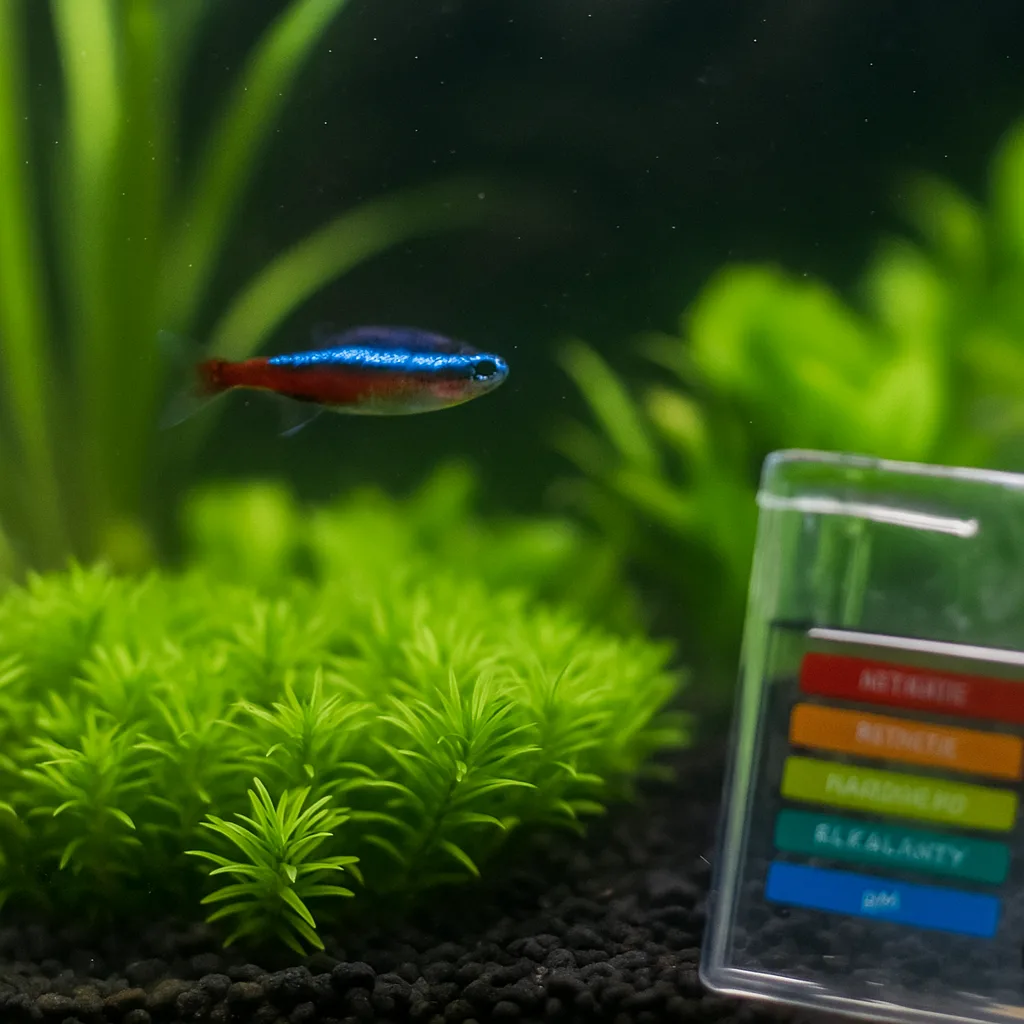
Quick answer: The fastest way to improve aquarium water quality is consistent partial water changes (10-25% weekly), a properly sized filter, and not overfeeding. Test for ammonia, nitrite, and nitrate so you fix the real problem — clear water is not the same as clean water.
Improve Aquarium Water Quality: A Complete Guide for Cleaner, Healthier Tanks
Clean, stable water is the foundation of a thriving aquarium. Whether you keep freshwater or saltwater fish, shrimp, or live plants, your tank’s water quality directly affects health, growth, coloration, and behavior. Yet poor water conditions are the #1 cause of fish illness and death — and they often go unnoticed until it’s too late.
This guide will show you exactly how to improve aquarium water quality, diagnose hidden problems, and create a clean, stable environment that supports long-term success. You’ll learn how to test water parameters properly, reduce pollutants, improve filtration, and avoid the most common mistakes aquarists make.
Why Water Quality Matters
Aquarium water may look clear, but it can be loaded with invisible toxins. Fish waste, decaying food, dead plant material, and even airborne pollutants can quickly cause ammonia spikes or pH crashes — especially in overstocked or under-maintained tanks.
- Ammonia (NH3): Toxic at any level — damages gills and kills quickly
- Nitrite (NO2): Also toxic, interferes with oxygen transport
- Nitrate (NO3): Less dangerous short-term but stresses fish over time
- pH swings: Can burn gills, reduce immunity, and cause sudden death
Even mild imbalances can suppress immunity and lead to outbreaks of ich, fin rot, or other diseases. That’s why water testing, maintenance, and filtration are essential to your aquarium’s long-term success.
1. Master the Nitrogen Cycle
Understanding the nitrogen cycle is the first step toward managing water quality. Beneficial bacteria in your filter convert ammonia → nitrite → nitrate. These bacteria live in your filter media and gravel and must be established through a process called cycling.
- Cycle your tank fully before adding fish
- Use bottled bacteria or a sponge from an established tank to seed your filter
- Never clean filter media in tap water — it kills beneficial bacteria
- Keep the filter running 24/7 to preserve the colony
2. Test Your Water Weekly
Don’t rely on appearance — always test your tank’s water using a liquid test kit like the API Freshwater Master Kit or Salifert for reef tanks. Weekly testing helps catch problems before they become emergencies.
- ✅ Ammonia: 0 ppm
- ✅ Nitrite: 0 ppm
- ✅ Nitrate: Under 40 ppm (under 20 for sensitive species)
- ✅ pH: Stable within species range
- ✅ KH (Carbonate Hardness): Buffers pH and prevents crashes
Keep a logbook or use an aquarium app to track trends and detect early issues like rising nitrates or dropping KH.
3. Perform Regular Water Changes
Water changes remove nitrates, organics, and pollutants your filter can’t catch. They also replenish minerals, maintain stable pH, and help oxygenate the tank.
- 🔁 25–50% water change every 1–2 weeks
- 🌡️ Match new water temperature within 1–2°F
- 🧪 Always dechlorinate tap water
- 🔄 Vacuum the gravel or substrate during changes
For planted tanks or shrimp setups, adjust your water change schedule to balance CO2, nutrients, and biofilm availability.
4. Improve Filtration Efficiency
A good filter removes debris, houses beneficial bacteria, and keeps water circulating. But many setups suffer from weak flow or clogged media.
- 💨 Use sponge filters for shrimp/nano tanks
- 💧 Hang-on-back filters are ideal for beginner setups
- 🌊 Canister filters provide strong flow for larger tanks
- ⚙️ Rinse sponges and pads monthly in tank water
Tip: Add a prefilter sponge to your intake to trap debris and protect baby fish or shrimp.
5. Add Live Plants or Algae Scrubbers
Plants are nature’s filter. They consume ammonia, nitrite, and nitrate, reduce algae growth, and release oxygen. Even low-light plants make a big difference in water quality.
- Floating plants: Duckweed, Frogbit, Salvinia
- Easy rooted plants: Anubias, Java Fern, Crypts
- Fast growers: Hornwort, Water Sprite, Hygrophila
For saltwater tanks, refugiums and algae scrubbers offer similar benefits by absorbing nutrients before they fuel nuisance algae.
6. Avoid Overstocking and Overfeeding
Too many fish or too much food is a guaranteed way to degrade water quality. Uneaten food decays quickly and releases ammonia, while high fish loads strain your filtration and oxygen levels.
- 🎯 Feed only what fish can eat in 30–60 seconds
- 🐠 Follow the 1 inch of fish per gallon rule as a guideline (adjust for species)
- 🥄 Use feeding rings or tweezers for targeted feeding
- 🧹 Remove uneaten food after feeding time
7. Control Algae Without Chemicals
Algae can be a symptom of poor water quality — especially if nutrients are unbalanced or light exposure is excessive. Don’t rely on chemicals; focus on root causes:
- 🕒 Limit lighting to 6–8 hours per day
- 🌿 Add fast-growing plants to outcompete algae
- 🧽 Scrape glass and vacuum detritus weekly
- 🦐 Add algae eaters like nerite snails, otocinclus, or amano shrimp
8. Use Water Conditioners and Additives Wisely
Don’t overdose your tank with additives. Stick to essentials like:
- ✅ Dechlorinators: Essential for tap water (e.g., Seachem Prime)
- ✅ Bacterial starters: Help cycle new tanks
- ✅ Root tabs/liquid ferts: For planted tanks only
- ⚠️ Avoid ammonia-locking products unless you’re treating an emergency
Weekly Water Quality Checklist
- 🧪 Test ammonia, nitrite, nitrate, pH
- 🔁 Do water change if nitrate exceeds 40 ppm
- 🧽 Clean filter intake/pre-filter sponge
- 🌿 Trim dying plants or floating debris
- 🧹 Gravel vac high-waste zones
What to Read Next
🎥 Watch DBC Aquatics on YouTube for practical video tutorials on water testing, cleaning routines, and real-life aquarium recovery stories from hobbyists just like you.
Continue Your Diagnosis
Fish Symptoms Checker Aquarium Rescue Hub Why Fish Die When Water Tests Fine Aquarium Rescue Blueprint →Frequently asked questions
How do I improve aquarium water quality fast?
Do a 25-50% water change with dechlorinated water matched to within 1-2 degrees of tank temperature, and vacuum the gravel while you do it. That immediately pulls out nitrates, organics, and uneaten food the filter cannot catch. Stop feeding for a day or two so waste stops piling up while bacteria catch up. Just do not change everything at once, since a full swap removes beneficial bacteria and can crash the tank.
Will a water change fix bad water quality?
A water change fixes the symptoms of high nitrate, accumulated organics, and pollutants, and it is the single most effective thing you can do. But it will not fix the cause if you are overstocked, overfeeding, or running a filter that is too small. If ammonia or nitrite is reading above zero, your tank is not fully cycled and you need to address that, not just dilute the problem. Use water changes alongside testing so you know whether the underlying issue is actually gone.
How does overfeeding hurt water quality?
Uneaten food rots on the substrate and breaks down into ammonia, which is toxic to fish at any level and damages their gills. More food also means more fish waste, which raises nitrite and nitrate and pushes your bacteria colony past what it can process. The result is invisible toxin buildup that stresses fish and opens the door to ich and fin rot. Feed only what the fish finish in about two minutes, and skip a day now and then.
Do live plants improve water quality?
Yes. Live plants consume ammonia, nitrite, and nitrate directly, which lowers the toxic load your filter has to handle. They also release oxygen and compete with algae for nutrients, so a planted tank usually stays more stable. Even low-light plants like floating species or hardy stems make a measurable difference. They are not a replacement for water changes and filtration, but they meaningfully reduce the pollutants in the water.
How often should I test the water?
Test weekly with a liquid kit such as the API Freshwater Master Kit, since liquid kits are more accurate than strips. You want ammonia at 0 ppm, nitrite at 0 ppm, nitrate under 40 ppm (under 20 for sensitive species), and a pH that stays stable for your fish. Test more often, every day or two, when the tank is new and still cycling or after you add fish. Logging the numbers lets you catch trends like rising nitrate or dropping KH before they become emergencies.
Is clear water the same as clean water?
No. Water can look perfectly clear and still be loaded with ammonia, nitrite, or nitrate that you cannot see. Those invisible toxins are the leading cause of fish illness and death, and they often go unnoticed until a fish gets sick. The only way to know your water is actually clean is to test the parameters, not judge by appearance.
Author and editorial note
Written and maintained by Benjamin Thoden, founder of DBC Aquatics. This shrimp guide is reviewed through DBC Aquatics’ stability-first lens: cycle maturity, mineral consistency, molt safety, copper risk, grazing surfaces, and slow acclimation matter more than quick fixes. See our editorial standards for how guides are created, reviewed, and updated.
Leave a Reply